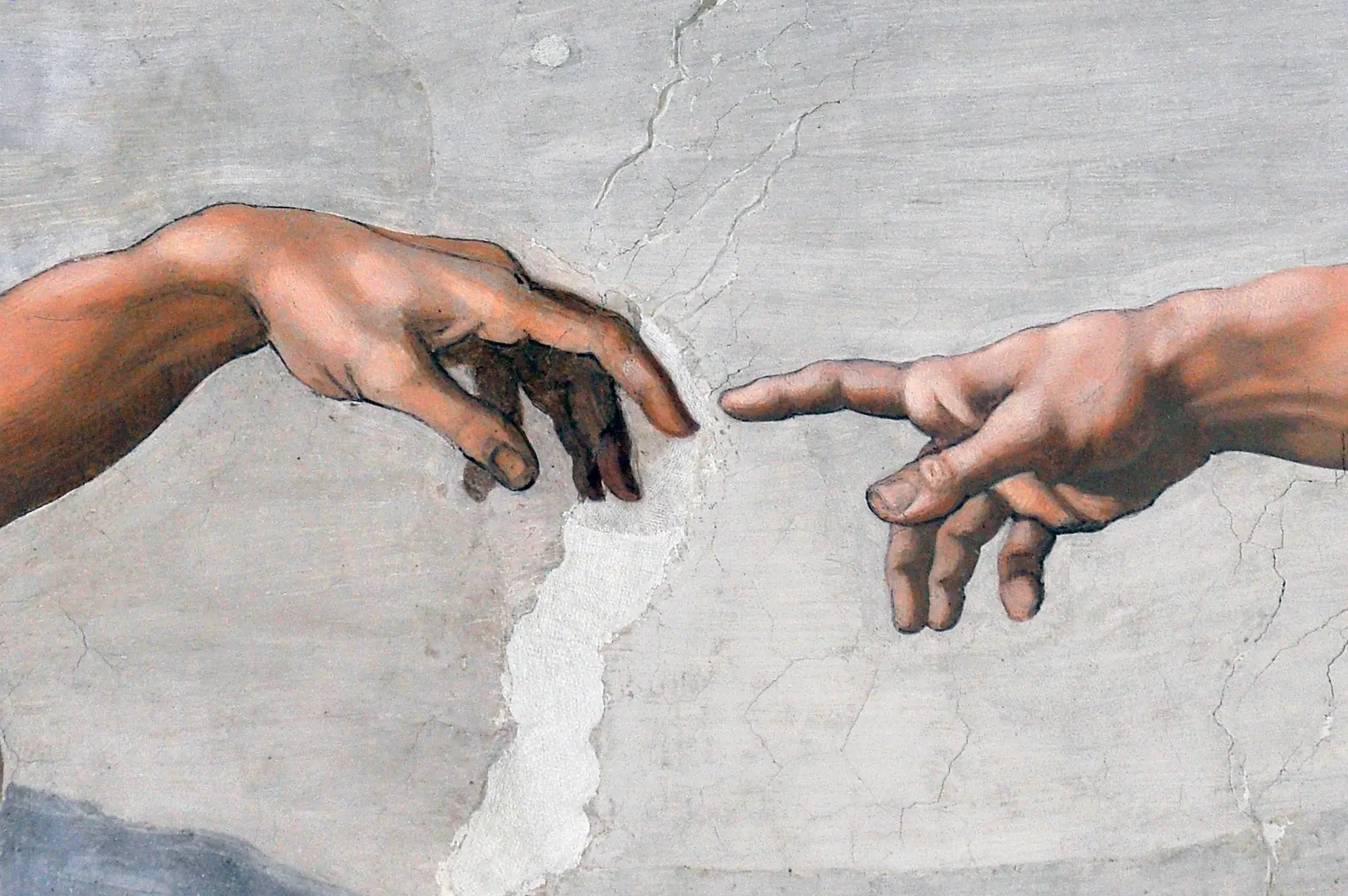

Love that starts with God
The word “unconditional” does not appear as a label for God’s love in the Bible, but the central truth behind it does. God does not wait for people to become worthy before he moves towards them. Paul says that Christ died for us while we were still sinners, not after we had cleaned ourselves up (Romans 5:8, KJV).
That means God’s love is not a wage for good behaviour. It begins with his character and grace. John describes God’s saving love as the reason he gave his Son, opening the way for anyone who believes in him to receive life (John 3:16, KJV).
But God commendeth his love toward us, in that, while we were yet sinners, Christ died for us.
Grace is not a bargain
You do not have to impress God before you can come to him. Jesus pictured a father who saw his returning son from far away, ran to him, and welcomed him home before the son could offer a plan to earn his place back (Luke 15:20, KJV). It is a moving picture of God’s readiness to receive those who turn towards him.
Salvation is a gift of grace, received through faith rather than earned by works (Ephesians 2:8-9, KJV). So if you are carrying shame, failure, or a long list of regrets, the first step is not to make yourself lovable. Come honestly to God through Jesus.
For God so loved the world, that he gave his only begotten Son, that whosoever believeth in him should not perish, but have everlasting life.
Love also calls us to respond
God’s free love does not mean he is indifferent to what we do. Jesus told his disciples to continue in his love and connected that life with keeping his commands, just as he lived in obedience to the Father (John 15:9-10, KJV). Obedience is not the price of admission to God’s love. It is the path of trust within a relationship already marked by love.
Think of a good parent. Their care for a child is not switched off when the child disobeys, but their love includes correction because the child’s choices matter. Hebrews says that the Lord disciplines those he loves (Hebrews 12:6, KJV). God’s holiness is not the opposite of his love. It is part of why he refuses to leave us trapped in what destroys us.
As the Father hath loved me, so have I loved you: continue ye in my love. If ye keep my commandments, ye shall abide in my love; even as I have kept my Father's commandments, and abide in his love.
A secure place to begin
So, is God’s love conditional or unconditional? His initiating love is freely given, rooted in who he is rather than in your achievement. His invitation is real, and he calls each person to trust his Son rather than turn away from the life he offers (John 3:16, KJV).
You may still have questions about judgement, assurance, or what it means to follow Jesus after failure. Those are worth exploring slowly in Scripture. For now, start here: God’s love meets you before you have it all together, and that love invites a genuine response of faith, repentance, and ongoing trust.