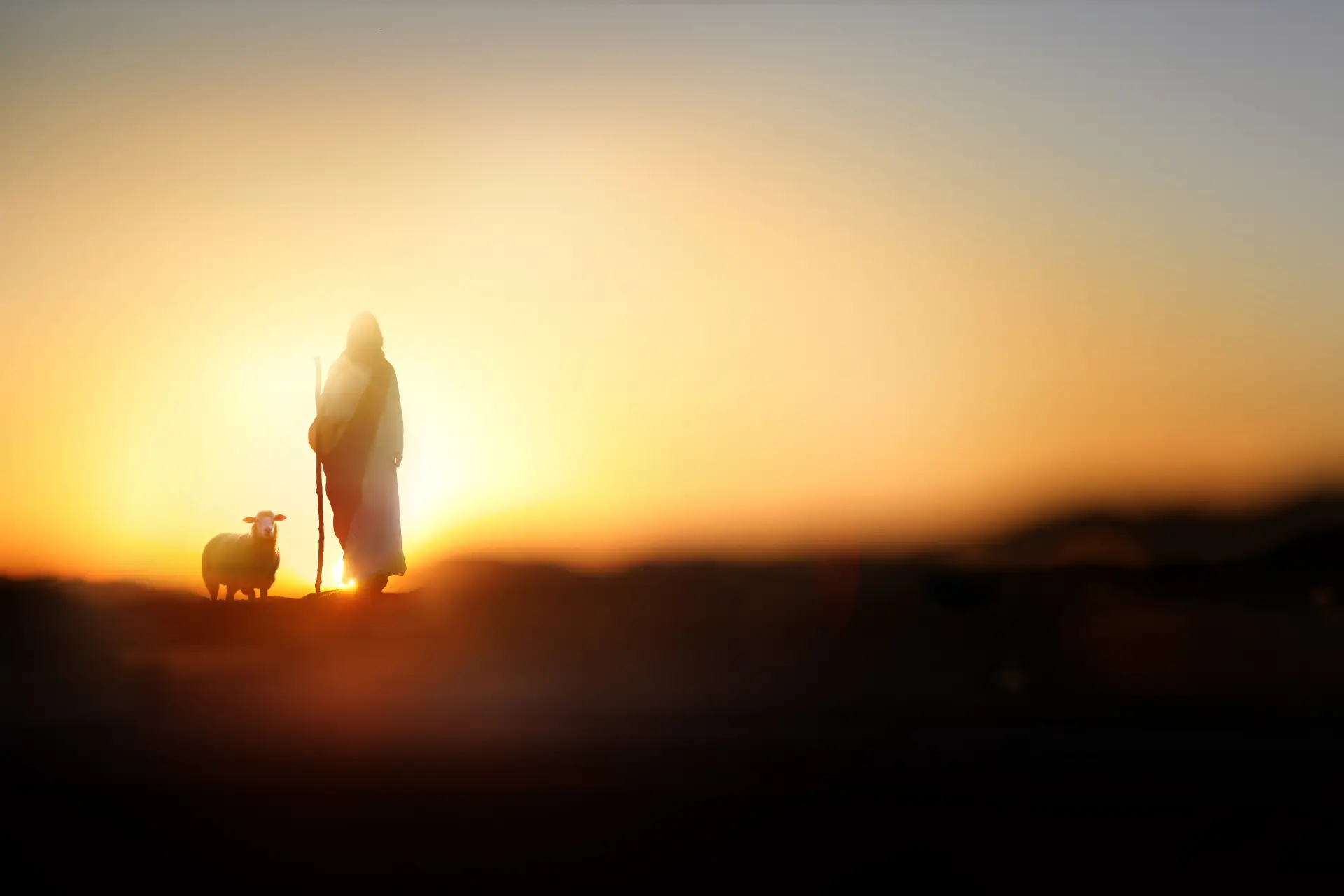

A picture of deserved judgement
In the Bible, a cup can stand for what someone receives or experiences. At times it represents blessing and care. In other places, it is a cup of judgement, a vivid picture of people being made to face the consequences of their rebellion against God.
Psalm 75 describes God as holding such a cup while the wicked drink from it. The point is not that God enjoys punishment. It is that evil will not be ignored forever. God judges rightly, and those who set themselves against him cannot finally escape that judgement (Psalm 75:7-8).
For in the hand of the Lord there is a cup, and the wine is red; it is full of mixture; and he poureth out of the same: but the dregs thereof, all the wicked of the earth shall wring them out, and drink them.
The prophets used it for nations
Jeremiah used the cup image when warning Judah and surrounding nations of coming judgement. God told Jeremiah to give this cup to the nations named in the message, showing that their wrongdoing had real consequences in history (Jeremiah 25:15-17).
Isaiah speaks to Jerusalem as a city that had already experienced the cup of God’s judgement. Yet the message does not end there. God promises to take the cup from his afflicted people and to deal with those who oppressed them (Isaiah 51:17, Isaiah 51:22-23). Judgement and mercy sit together in the biblical story.
God’s wrath is not petty anger
When Scripture speaks of God’s wrath, it means his righteous response to what destroys his good world. God’s anger is not like human rage that lashes out selfishly. His judgement flows from his holiness, his truthfulness, and his opposition to evil.
If God never opposed evil, there would be little comfort for people who have suffered under it. Revelation returns to the cup image in a vision of final judgement. It gives a serious warning to those who give their ultimate allegiance to the beast rather than to God (Revelation 14:9-10).
The same shall drink of the wine of the wrath of God, which is poured out without mixture into the cup of his indignation; and he shall be tormented with fire and brimstone in the presence of the holy angels, and in the presence of the Lamb:
What does this have to do with Jesus?
On the night before his crucifixion, Jesus prayed in Gethsemane that the cup might pass from him, while submitting himself to the Father’s will (Matthew 26:39). In its immediate setting, this cup includes the suffering, betrayal, death, and burden lying before him.
Many Christians understand Jesus’ prayer alongside the Bible’s wider cup-of-wrath imagery. They believe Jesus took upon himself the judgement sin deserves, so forgiveness could be offered to those who trust him. Paul says that God acted through Christ so that sinners might be made right with God (2 Corinthians 5:21).
The cup is therefore not the final word for those who come to God. The warning is real, but so is the invitation of mercy. Jesus speaks of his blood being poured out for the forgiveness of sins (Matthew 26:28). Read these passages slowly, and notice both God’s seriousness about evil and his mercy towards people.
And he went a little further, and fell on his face, and prayed, saying, O my Father, if it be possible, let this cup pass from me: nevertheless not as I will, but as thou wilt.