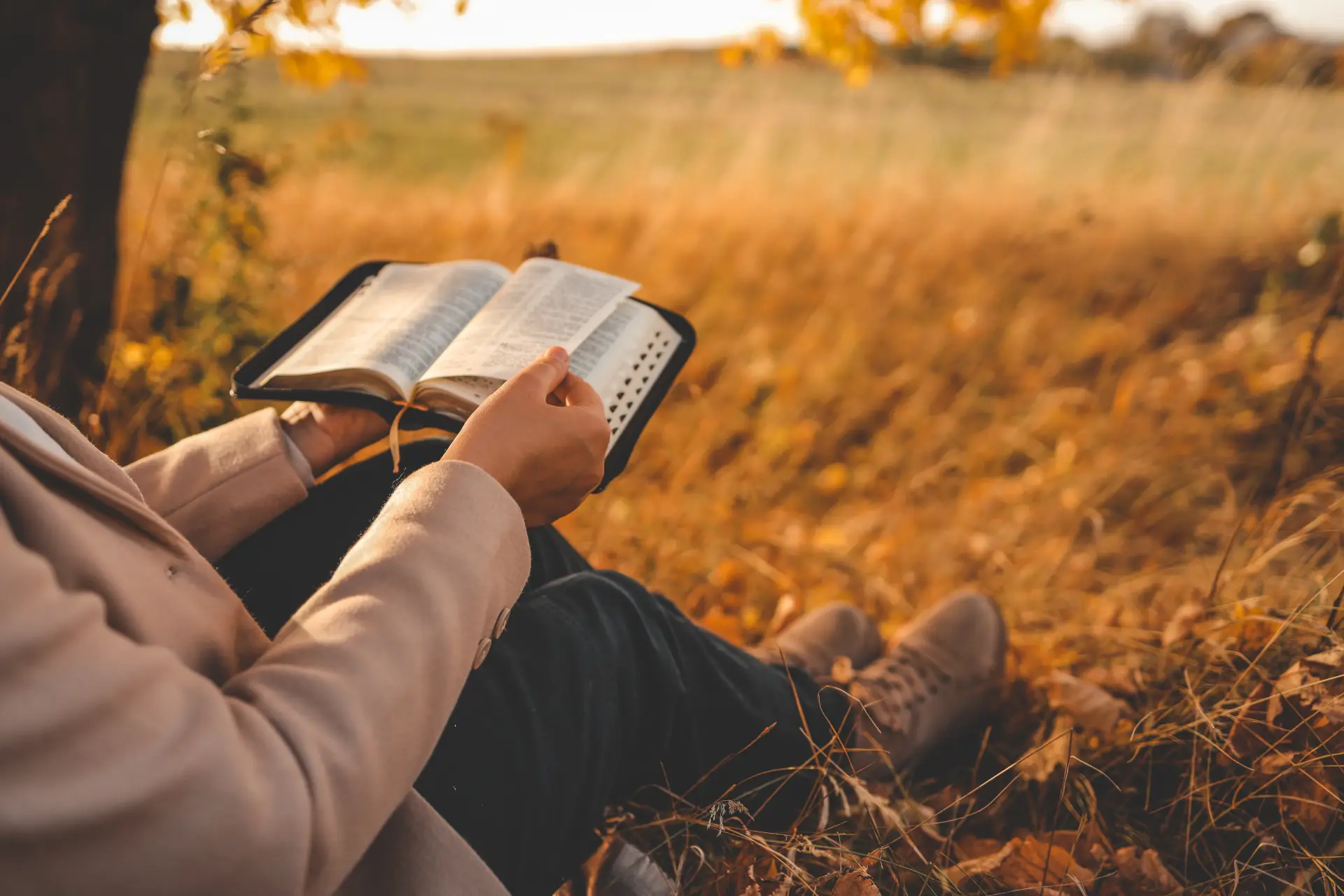

A well in Hagar’s wilderness
Beer Lahai Roi appears in Genesis during a painful moment in Hagar’s life. Sarai dealt harshly with her, and Hagar ran away into the wilderness. There, by a fountain on the way to Shur, the angel of the Lord found her (Genesis 16:6-7). She was not invisible to God, even when she was alone and vulnerable.
After this encounter, Hagar gave God a name that expressed what she had discovered: God had seen her. The well was then named Beer Lahai Roi, located between Kadesh and Bered (Genesis 16:13-14).
And she called the name of the Lord that spake unto her, Thou God seest me: for she said, Have I also here looked after him that seeth me?
What the name means
The Hebrew name Beer Lahai Roi is commonly understood to mean “well of the Living One who sees me.” The wording behind the name links a well, or beer, with the living God and his seeing. Genesis itself explains the name by connecting it with Hagar’s encounter with the God who saw her (Genesis 16:14).
This is more than a statement that God possesses information about people. Hagar’s story shows his attentive care. He found her in the desert, heard her affliction, and spoke to her personally (Genesis 16:7, Genesis 16:11).
Wherefore the well was called Beer–lahai–roi; behold, it is between Kadesh and Bered.
God sees those who feel overlooked
Beer Lahai Roi gives a name to a truth many people need when life feels lonely: God sees. Hagar’s situation was complicated, and the passage does not pretend her suffering was small. Yet God met her in it. Her story invites us to bring our real circumstances to him rather than assuming hardship means he has turned away.
David later expressed the same confidence, saying that God knew him completely and was acquainted with all his ways (Psalm 139:1-3). God’s sight is personal, searching, and compassionate. That can be both sobering and deeply comforting.
A place connected with Isaac
Beer Lahai Roi did not disappear after Hagar’s encounter. Genesis says Isaac came from the way of Beer Lahai Roi when he first met Rebekah (Genesis 24:62). After Abraham died, Isaac lived by Beer Lahai Roi (Genesis 25:11).
Scripture presents it as a real place in the family story of Abraham, Hagar, and Isaac, not as a ritual site or command for believers. Its enduring significance is the testimony carried in its name: the living God saw Hagar. When you read Genesis 16, notice both the wilderness and the well. God meets Hagar before her circumstances are fully resolved.