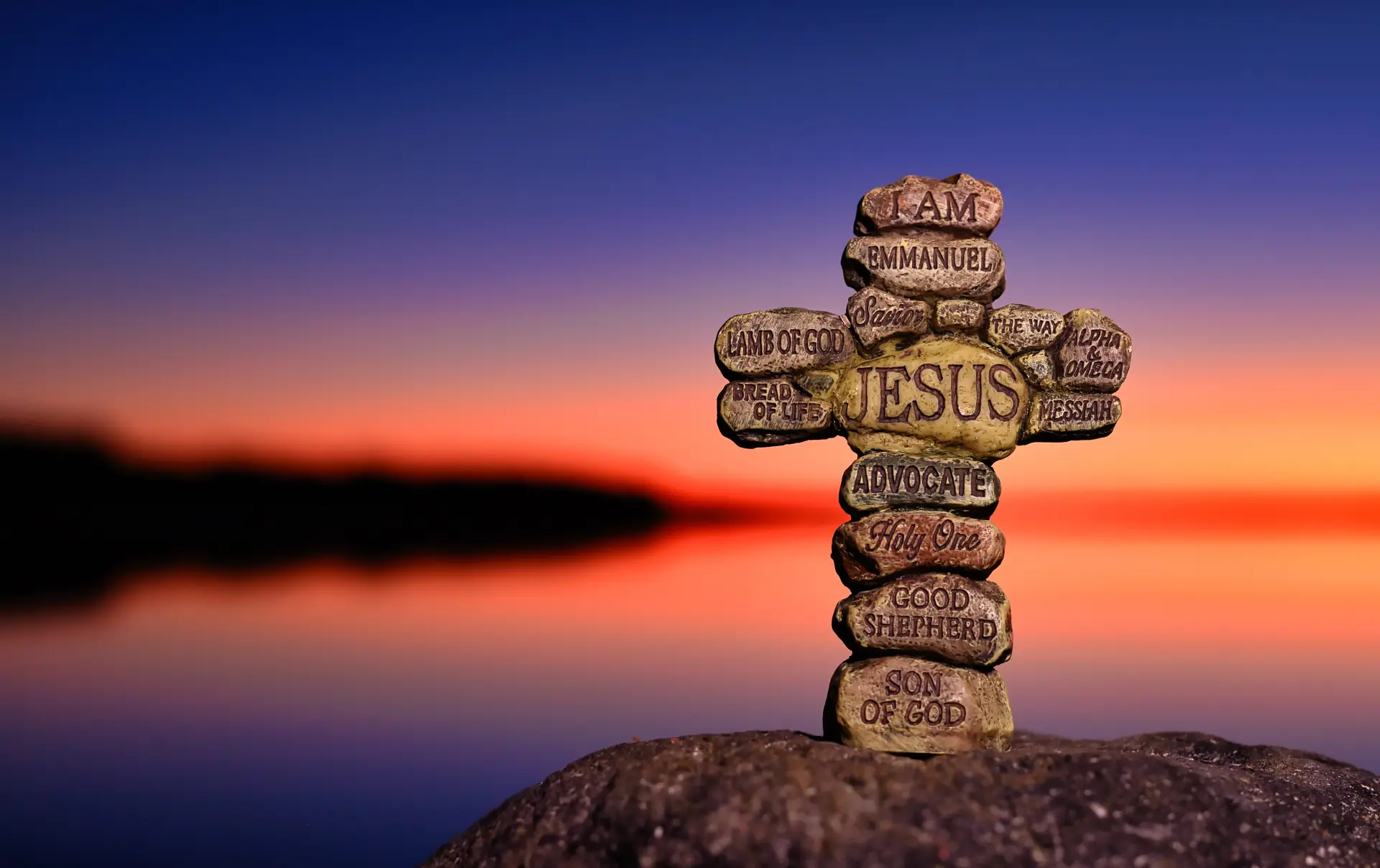

Jesus prepared his people
The church did not appear out of nowhere. During his earthly ministry, Jesus called disciples, taught them, prayed for them, and gave them a shared mission. He also spoke of building his church, showing that this community belonged to him and would be formed around faith in him (Matthew 16:18).
Before his ascension, Jesus told the disciples to wait in Jerusalem for the promised power of the Holy Spirit. Their task would be to tell the good news about him, beginning in Jerusalem and reaching outward to the world (Acts 1:8). So the foundations were laid during Jesus' ministry, even before the church became visible in its fuller public life.
And I say also unto thee, That thou art Peter, and upon this rock I will build my church; and the gates of hell shall not prevail against it.
Pentecost marks the public beginning
Pentecost, recorded in Acts 2, is usually called the birthday of the church. The disciples were gathered in Jerusalem when the Holy Spirit came upon them. Peter then preached about the crucified and risen Jesus, and many listeners responded in faith and were baptised (Acts 2:1-4; Acts 2:41).
What followed looks like church life in a clear, practical sense. These new believers learned from the apostles, shared fellowship, broke bread together, and prayed (Acts 2:42). A people formed by the gospel had begun to live as a worshipping community.
And when the day of Pentecost was fully come, they were all with one accord in one place. And suddenly there came a sound from heaven as of a rushing mighty wind, and it filled all the house where they were sitting. And there appeared unto them cloven tongues like as of fire, and it sat upon each of them. And they were all filled with the Holy Ghost, and began to speak with other tongues, as the Spirit gave them utterance.
Why the Holy Spirit matters
The church is more than a crowd of people who admire Jesus. Paul describes believers as one body joined together through the Spirit (1 Corinthians 12:13). Pentecost matters because it shows God himself giving his people the power and presence they could not create on their own.
This also explains why the church was never meant to stay in Jerusalem. The Spirit enabled ordinary disciples to speak boldly about Christ across language, culture, and distance. The first congregation grew, and the message soon reached Samaria, Gentile households, and cities throughout the Roman world (Acts 8:14-17; Acts 10:44-45).
For by one Spirit are we all baptized into one body, whether we be Jews or Gentiles, whether we be bond or free; and have been all made to drink into one Spirit.
A small difference of emphasis
Faithful Christians sometimes describe the starting point differently. Some stress Jesus gathering the disciples during his ministry. Others point to his resurrection, when he commissioned them. Most, though, identify Pentecost as the point when the church began its Spirit-empowered public mission.
Whichever wording is used, the centre remains the same: the church belongs to Jesus, is built on the witness of his apostles and prophets, and is held together by him (Ephesians 2:19-22). Reading Acts 1 and 2 side by side is a good way to see both the preparation and the beginning unfold.